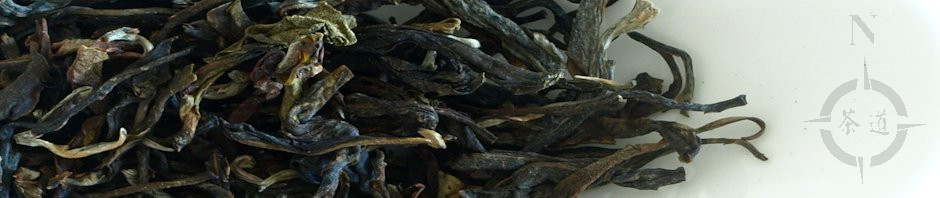
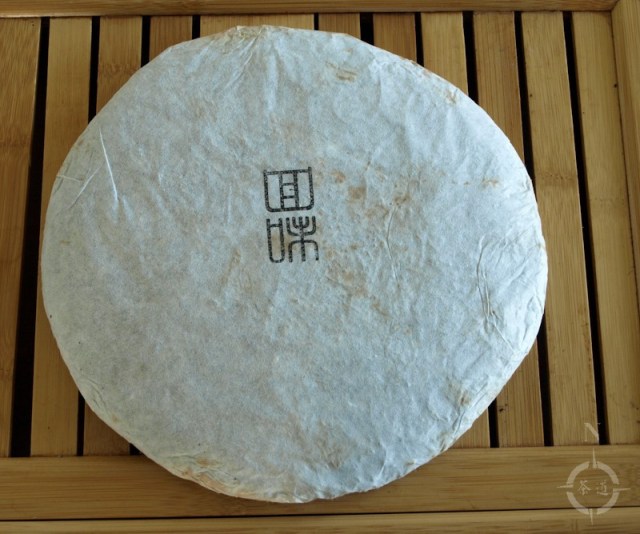
I bought this 400 gram beeng back in October of last year over at House of Tea, and have spent the intervening period trying to find adequate time to sit down with it, and to get to know it.
I bought this 400 gram beeng back in October of last year over at House of Tea, and have spent the intervening period trying to find adequate time to sit down with it, and to get to know it.
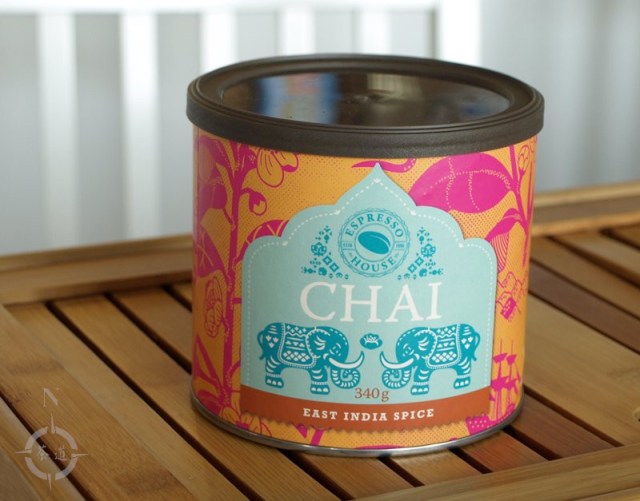
“Look, they have chai”, observed Teaist Junior, as we ordered in our local branch of Nordic coffee chain Espresso House.
This post is about another on-going experiment I’m running.
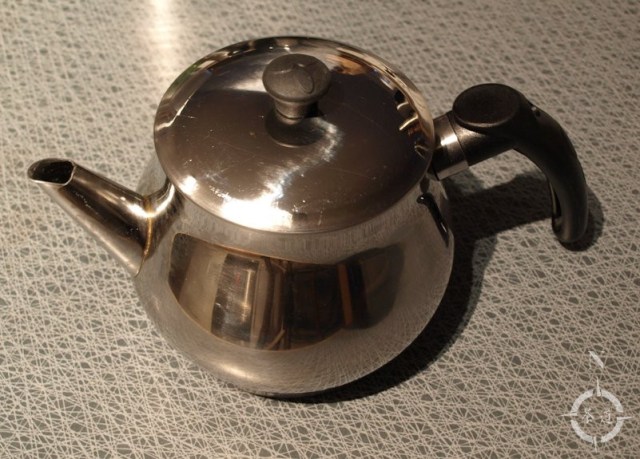
During an idle moment I was looking at my çaydanlik, and for the first time it occurred to me that the lower pot, the kettle part, has a lid of its own. In normal use, of course, the upper pot in which the tea is brewed sits on top of it.

This book appeared on my tea-radar when a review of it was featured on the Friday Roundup, a regular article on Nicole Martin’s excellent blog “Tea For Me Please“.

This was another purchase from House of Tea.
I have a soft spot for both tea-bricks (Zhuānchá) and the produce of the Haiwan tea factory, so once I clapped eyes on this baby a sale was always going to be a likely outcome.
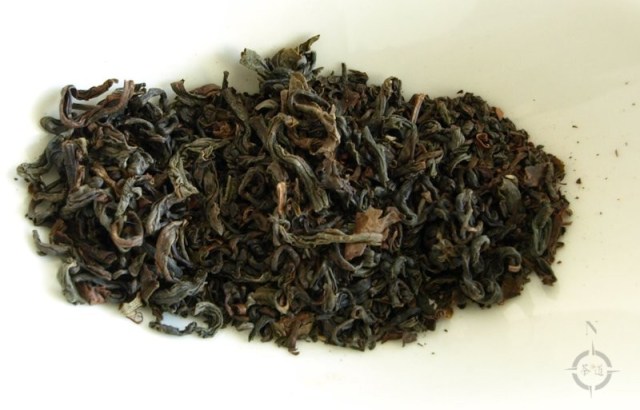
This is the second part of a pair of posts detailing my experiences with two rather interesting teas from Japan that I came across while shopping over at House of Tea.
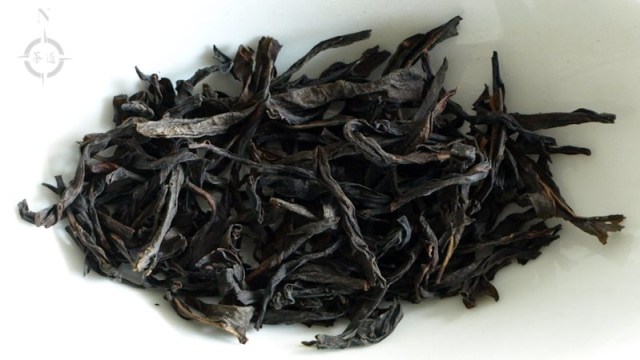
This is yet another tea that made its way to my tea table by virtue of it being included as a free 3 gram sample in a recent purchase at House of Tea.
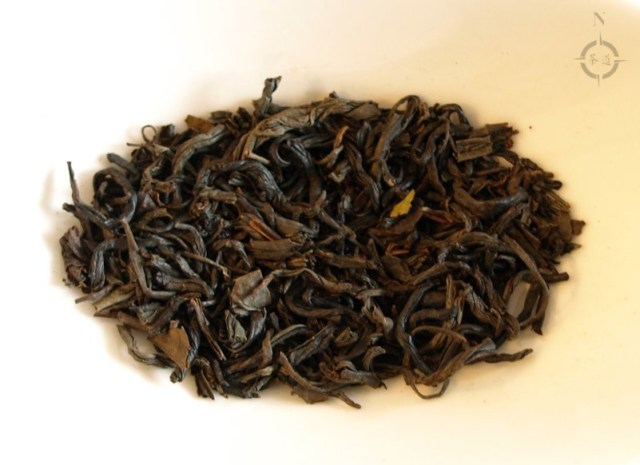
I bought these leaves from perennial favourites House of Tea with Christmas present cash.
I was doing a bit of digital tidying up the other day, when I found a folder buried several levels down in my file system tree labelled “Samples – To Do“.


 | onemansteajourney on A Change Of Style |
 | northernteaist on Ikea Riklig Teapot |
 | Leia on Ikea Riklig Teapot |
| northernteaist on Ikea Vattentät Kettle |
 | Gayathri on Ikea Vattentät Kettle |
 Northern Teaist